
Call us now :08045812101
 Send Inquiry
 Send Inquiry
PET Film
Price 110 INR/ Kilograms
MOQ : 500 Kilograms
PET Film Specification
- Product Type
- PET Film
- Processing
- Multiple Extrusion
- Transparency
- Transparent
- Hardness
- Rigid
- Lamination
- Laminated
- Customized
- Yes
- Standard
- IS 13601
- Film Length
- 100 m 4000 m
- Film Thickness
- 12 micron 250 micron
- Film Width
- 200 mm 2100 mm
- Electrical Insulation
- Excellent
- Melting Point
- 255-265C
- Applications
- Food Packaging, Electrical Insulation, Labels, Graphics, Medical, Flexible Circuits
- Surface Finish
- Glossy
- Shrinkage Rate
- Less than 3% (at 150C for 30 min)
- Usage
- Packaging, Printing, Laminates, Industrial Applications
- Moisture Absorption
- 0.4% (24 hrs in water at 23C)
- Roll Weight
- Depends on customized dimensions
- Material
- Polyethylene Terephthalate (PET)
- Color
- Clear
- Packing Type
- Rolls with Protective Wrapping
- Heat Resistant
- Up to 150C
- Tensile Strength
- >200 MPa
- Recyclable
- Yes
- Chemical Resistance
- Good to Acids, Oils, Grease
About PET Film
PET Film refers to a type of versatile and durable plastic film made from polyethylene terephthalate (PET) material. It is commonly used in various industries for packaging, printing, electronics, and other applications. PET Film offers excellent clarity, strength, and moisture resistance, making it an ideal choice for protecting and enhancing a wide range of products.
FAQs (Frequently Asked Questions):
Q: What is PET Film used for?
A: PET Film finds applications in numerous industries. It is commonly used for packaging food, beverages, pharmaceuticals, and consumer goods. It is also utilized in printing processes, including labels, graphics, and decorative applications. Additionally, PET Film serves as a protective layer in electronic displays, solar panels, and touch screens.
Q: What are the advantages of PET Film?
A: PET Film offers several advantages. It has exceptional clarity, allowing products to be clearly visible while maintaining protection. It has high tensile strength and resistance to punctures and tears. PET Film is also resistant to moisture, chemicals, and UV radiation, ensuring the longevity and preservation of packaged products.
Q: Is PET Film environmentally friendly?
A: PET Film is considered to be environmentally friendly compared to other plastic film options. It is recyclable and can be converted into other products, reducing its impact on the environment. Additionally, PET Film is lightweight, which helps in reducing transportation costs and energy consumption.
Q: Can PET Film be printed on?
A: Yes, PET Film can be easily printed on using various printing techniques such as flexography, gravure, offset, and digital printing. Its smooth surface allows for high-quality graphics and designs, making it suitable for product labeling and promotional materials.
Q: Is PET Film heat resistant?
A: PET Film has good heat resistance properties, allowing it to withstand moderate temperatures without deformation or melting. However, it is important to note the specific temperature limitations of the PET Film variant being used, as different formulations may have varying heat resistance levels.
Versatile Applications Across Industries
This PET film is engineered for various uses, ranging from food packaging to industrial laminates and electrical insulation. Its robust physical properties and clear, glossy appearance make it a top choice for sectors like printing, medical packaging, flexible circuits, and high-performance labeling. Featuring customizable options, it caters to businesses seeking reliable and adaptable solutions.
Outstanding Durability and Performance
Manufactured via multiple extrusion processes, our PET film maintains excellent dimensional stability and a low moisture absorption rate (0.4%). It provides superior chemical resistance, especially to acids, oils, and grease, while its tensile strength and rigidity ensure dependable performance even in challenging environments up to 150C.
FAQ's of PET Film:
Q: How is PET film typically used in packaging and industrial applications?
A: PET film is commonly employed for packaging food products, medical supplies, and consumer goods due to its clarity, chemical resistance, and heat tolerance. In industrial applications, it serves as a protective laminate, electrical insulator, and a base for flexible printed circuits.Q: What processing options are available for customizing PET film dimensions?
A: The film is produced using multiple extrusion processes, allowing customization in thickness (12-250 micron), length (100-4000 m), and width (200-2100 mm). Rolls can be tailored to user specifications and are supplied with protective wrapping to ensure quality during transit.Q: When should PET film be chosen over other plastic films?
A: PET film is preferred when exceptional clarity, heat resistance (up to 150C), rigidity, and electrical insulation are required. It is ideal for environments where dimensional stability and moisture resistance are critical, such as food packaging, medical, and electronic applications.Q: Where can this PET film be applied aside from packaging?
A: Beyond packaging, PET film finds application in labels, graphics, flexible circuits, electrical insulation, medical device materials, and lamination solutions because of its transparency, durability, and chemical resistance.Q: What benefits does PET film offer regarding recyclability and environmental impact?
A: PET film is a recyclable material, supporting sustainable packaging initiatives. Its durability also minimizes material waste, contributing to eco-friendly manufacturing and disposal processes.Q: How does PET film perform in terms of heat and chemical resistance?
A: The film remains stable and retains its properties up to 150C, with minimal shrinkage and a melting point between 255-265C. It demonstrates good resistance to acids, oils, and grease, making it suitable for demanding environments.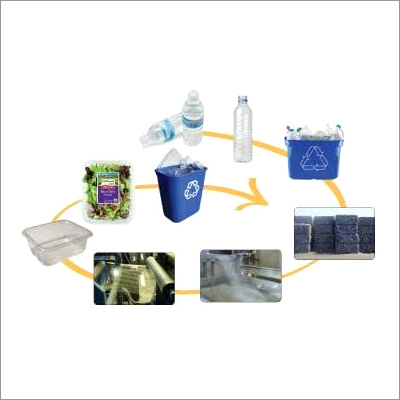
Tell us about your requirement

Price:
Quantity
Select Unit
- 50
- 100
- 200
- 250
- 500
- 1000+
Additional detail
Mobile number
Email

More Products in Packaging Films Category
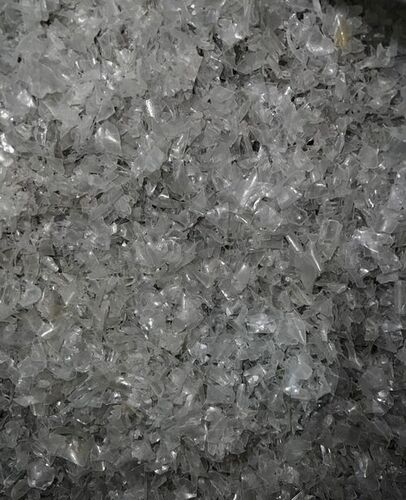
PET FLAKES
Price 65 INR / Gram
Minimum Order Quantity : 10000000 Grams
Lamination : Other, Not Laminated
Hardness : Rigid
Standard : Industrial Grade
Product Type : PET FLAKES

 Send Inquiry
Our Products


22/24, Gami House, Modi Street, Opp. GPO, Fort, Mumbai - 400001, Maharashtra, India

Mr Dinesh M Gami
(Director)
Mobile :08045812101
 Send Inquiry
 Send SMS
 Call Me Free
Developed and Managed by Infocom Network Private Limited.


